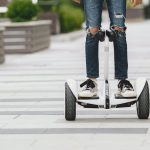
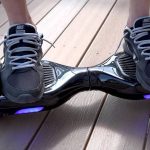
Alright, buckle up for this one. Electric self-balancing scooters, folks. They’re the future on wheels. Neat little gadgets that feel almost cyborg-like, if you ask me. Let’s dive into this world of battery-powered two-wheelers designed with science that’ll leave your mind spinning faster than their wheels – gyroscopes, accelerometers, you name it.
Why are they all the rave? Because they’re the perfect intersection of fun and function. They’ve become an integral part of the urban tapestry, adding flair to the streets while saving you the legwork. But don’t get too giddy just yet. Riding these tech-wonders requires a tad bit of skill and balance. Stay with us as we unravel the mysteries of these modern marvels.
Key Takeaways
Scooters are no more child’s play, folks. The electric self-balancing scooter is a sophisticated piece of technology.
Impressive performance details – LED lights, Bluetooth, and app control features add up to an engaging ride.
Keep an eye out for safety features when buying one. You wouldn’t want one that’s all show and no go.
Future of personal commuting – these scooters might just replace your good old bicycles!
Introduction to Electric Self-Balancing Scooter
So, you’ve seen these nifty devices whizzing past you on the streets, and you’re intrigued. Well, let me spill the beans. These electric self-balancing scooters bring simple joy in a small package. They appeared on the scene a few years back and have been rolling their way into hearts ever since.
Defining the Electric Self-Balancing Scooter
So, what is an electric self-balancing scooter? Also fondly known as hoverboards, these are compact, portable rides that balance themselves using intelligent sensor technology. They’re running on electricity, making them eco-friendly, and with improvements in battery technology, they’re going the distance – up to 40 km, to be precise.
Plus, they can carry a substantial load. You won’t crack it just by stepping on it, promise! They’ve got these dual motors that make them whizz past at speeds of up to 20 km/h. Remember when you were a kid and thought you could fly? Well, now you actually can.
Origin and Development of Electric Self Balancing Scooters
Hey there, champ! Let’s journey back to the glorious origins of the electric self-balancing scooters, these sleek, flashy personal transportation devices that are a trend today. It was the year 2001 when the much-loved Segway burst onto the scene.
Yes, that’s right, a full two decades ago! These scooters were invented by a genius named Dean Kamen. The idea was hatched to create a personal transporter that could make commuting a breeze.
Well, the early models weren’t as snazzy as the sleek mean machines we see today, but hey, every great thing has humble beginnings. By 2014, many companies began designing their super cool versions of electric self-balancing scooters, each trying to outdo the other.
The competition was fierce. However, it led to the development of never-before-seen exciting features like Bluetooth, music speakers, LED lights, app control, and whatnot!
Understanding the Mechanism of Electric Self Balancing Scooters
Electric self-balancing scooters, as the name suggests, maintain stability and keep you from tumbling over like a sack of potatoes, thanks to some smart tech. Wondering how this magic happens? The secret lies in the principles of self-balancing. We know that sounds all science, but bear with us, and we promise to reveal the secrets in a jiffy.
Principles of Self-Balancing: How it Works
The trick to the tantalizing balance of these electric scooters is basic physics. The scooter leans on the rider’s center of mass and adjusts accordingly to keep you from tipping over. Pretty smart, huh? And what’s cooler is the practice of inversion control!
No, that’s not a wrestling move, champ. It’s the technique of turning an inherently unstable system into a stable one. It’s like adding hot sauce to your meal and still keeping your cool!
Role of Gyroscope and Sensor in Balancing
Now, what role do the gyroscope and sensor play in this game of balance? Well, think of the gyroscope as the lifeguard of your scooter- it’s always on duty, ensuring you don’t take a tumble.
The sensor, on the other hand, is like the watchful eye, checking the position and speed and adjusting the motor’s power accordingly. It’s like a buddy system, with each having the other’s back.
Right, so when you stand upright, these sensors tell the control circuitry you’re “balanced.” Lean front or back, and the sensors signal that you’re not. Reacting to this, the system speeds up the wheels to return you to the balanced position before you can even blink!
Working of Motor and Battery
Next in line is the motor and the battery, the powerhouse of your electric self-balancing scooter, if you may. Most scooters come with two motors, each powering a wheel. Remember that off-road self-balancing electric scooter you fancied?
That one boasted a massive power capacity of two DC motors of up to 2000W! “What kind of battery powers such a beast,” you ask. Well, the answer is Lithium batteries, the long-distance runners of the battery world.
These batteries are typically a 72V Samsung or LG cell, with a current protection board. Charging time varies based on the capacity but generally ranges from 5-6 hours.
And the mileage, you ask? Well, some manage a stroll of 35-40 km before needing a juice-up. The power and battery combo truly make these electric self-balancing scooters the superheroes of personal transportation!
Features and Advancements in Technology
Let’s talk shop about the latest and greatest in electric self-balancing scooter technology, shall we? These aren’t your grandpa’s modes of transport anymore, folks. Innovations have taken these electric scooters to a whole new level in terms of both functionality and style.
Look at the BMS smart battery system, for instance. This fine piece of engineering gives you top-notch battery performance and reliability. And get this, it’s certified as IP54 waterproof. Now, that’s got to be music to your ears if you enjoy a good ride, rain or shine.
Another nifty feature that’s been doing rounds lately is the emphasis on portability. These electric scooters are not just about zooming around town; they are lightweight and portable. Just imagine some of these self-balancing scooters weigh as little as 27 lbs. But don’t let that fool you; they can handle up to a whopping 220 lbs.
Thanks to their sturdy build, you can easily carry them around and ride them almost anywhere. Top that off with a long battery life, and you’ve got yourself the perfect ride.
Key Considerations when Buying an Electric Self-Balancing Scooter
Alright, so you’ve decided to jump on the electric self-balancing scooter bandwagon. Next, you need to consider what to look for when buying one. You know, not all scooters are built the same.
Some come packed with bells and whistles that make your ride smoother, safer, and a whole lot more enjoyable. So keep your eyes peeled for those – it’s worth the extra moolah, trust me.
Safety Features to Look for
Besides the fun factor, safety should be your top priority when choosing electric scooters. Look for models carrying an IP54 waterproof certification and incorporating a BMS smart battery system.
The latter offers the dual benefits of providing reliable battery performance and ensuring your scooter can handle various weather conditions. So whether it’s a sunny day at the park or a drizzly ride home, you are covered.
Battery Quality and Charge Indicators
The battery is essentially the lifeblood of your electric self-balancing scooter – go easy on it, and it’ll go the distance with you. So, you must watch out for the quality of the battery. Lithium-ion batteries, particularly those rated at 36 volts, are your best bet.
They not only provide reliable performance but also charge up pretty fast. Looking at the charge indicators is also crucial. These little lifesavers let you know how much juice is left in your ride.
So you won’t be left stranded halfway to your destination. A fully charged battery can offer a range of up to 13.7 miles – not too shabby, wouldn’t you say? That’s what we call going the extra mile, literally!
Frame and Build Material
Alright, let’s chat about the build of your machine. A good, sturdy frame is what guarantees long-term use. You want something that’ll take a hit and keep trucking, right? So, look for models with a robust build material. We aren’t scientists, but we do know this: the body of your electric self-balancing scooter should be as challenging as it comes.
Lastly, always check the weight capacity. Don’t let the light weight of these scooters fool you; they can carry much more than you think. Some models can handle up to 220 lbs. So whether you’re more on the petite side or carry a little extra around the middle, these scooters have got you covered.
Rider Weight Capacity
Remember the joy of balancing on two wheels as a kid? An electric self-balancing scooter brings that joy into adulthood with a modern twist. But let me tell you, not all scooters are created equal. Instead, they’re like snowflakes.
Unique. Each is designed with a specific weight capacity in mind. You have to consider this factor, folks. It’s crucial because exceeding the weight limit can lead to instability and may reduce the scooter’s lifespan.
Most scooters carry around 200-260 pounds, though some heavy-duty models can support up to 380 pounds. Always look at the manufacturer’s specifications to ensure your scooter can handle the rider’s weight. This way, you won’t be popping a ‘squat instead of gliding smoothly on the pavement.
You bet! Most scooters have safety features like LED lights for visibility, fender bumpers, and non-slip foot pads. It’s always advised to wear a helmet and knee pads, though, just to keep yourself extra safe.
Battery life varies depending on a few factors, like the brand of the scooter and your riding habits. On average, you can expect about 2-3 hours of ride time on a full charge. Just remember to monitor the battery indicator on your app control.
With the built-in gyroscopes and sensors, these scooters do most of the balancing for you. However, it can take some practice to get the hang of it. Don’t worry, though; once you get it, you’ll be zooming around like a pro.
Some high-end models can handle rough terrains. They usually have larger wheels and a more robust frame. However, most typical self-balancing scooters are designed for smooth surfaces like pavements and roads.
Riding off into the Future: The Last Word on Electric Self-Balancing Scooters
Electric self-balancing scooters have come a long way since their origin. They provide a fun alternative to traditional commuting and offer impressive technology bundled into a compact design.
These scooters are a smart personal transport option with features like LED lights, Bluetooth and app controls, and safety considerations. When selecting one, remember to evaluate crucial aspects like the quality of the battery and motor, frame and build material, and rider weight capacity.
Considering the speed, riding range, and terrain abilities will ensure a satisfying purchase. In the last word, it wouldn’t be wrong to say electric self-balancing scooters are the future of personal transportation.
Hi! My name is Johnathan, and I am the creator of ScooterAdvice360.com. Having been riding motor scooters and bikes for over 20 years, I have picked up a few things! I ran my own scooter store in Florida, selling all manner of motor scooters, mobility scooters, hoverboards, e-scooters and accessories, from Forzas to Vipers, Hellcats to Vespas.
Here, at ScooterAdvice360.com, I want to ensure everyone has access to the information that they need to enjoy their bikes and scooters for longer.